

Rai Awala
Fruit
View & Listen Plant Education
Rai Awala - Video Guide
Watch Video
All Details
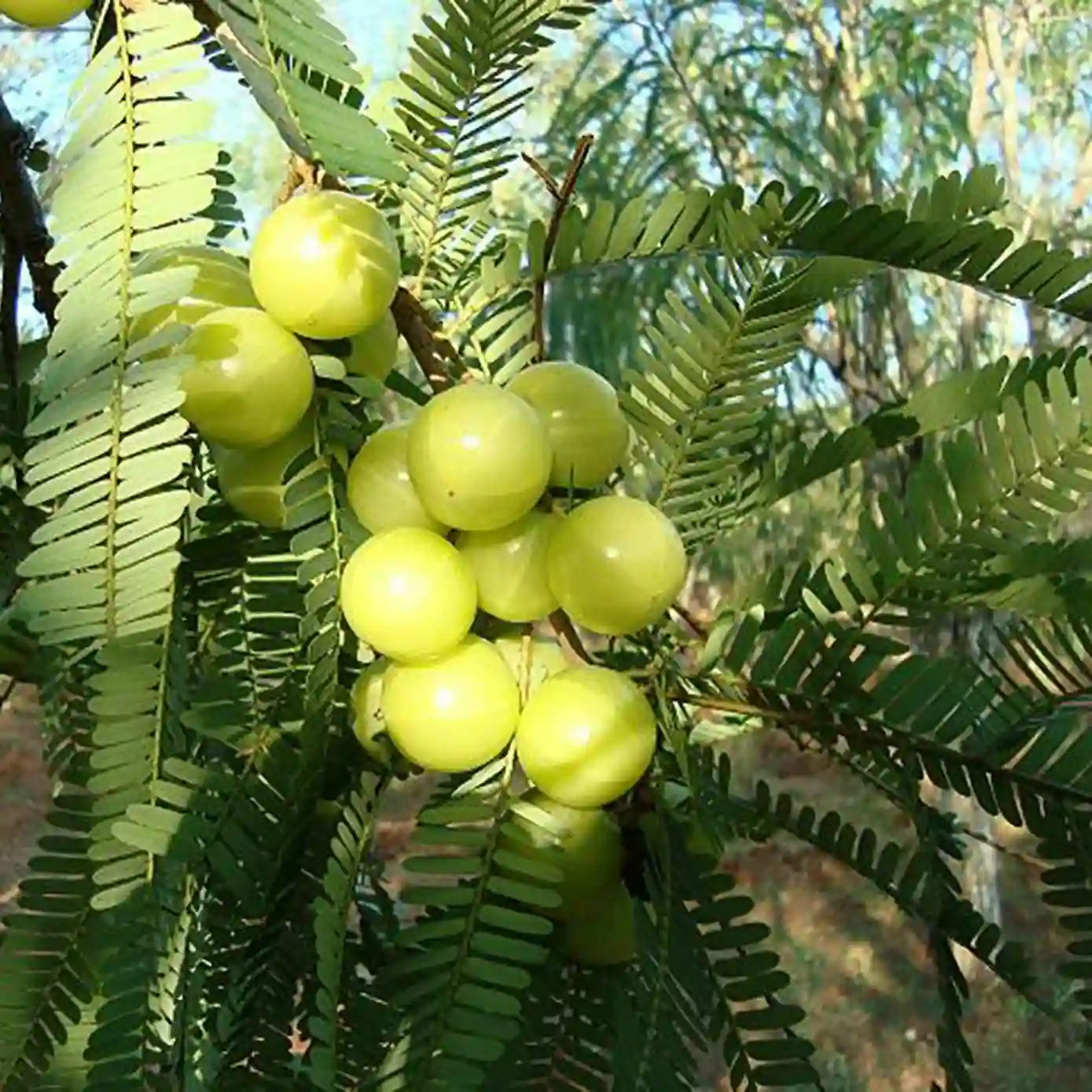
I am a tangy, small fruit-bearing shrub or small tree known for my bright green, gooseberry-like fruits that turn pale yellow when ripe. I am prized for my extremely sour yet refreshing taste and am widely used in Indian cuisine, pickles, chutneys, and traditional Ayurvedic remedies. My leaves are small and delicate, and I bear tiny greenish-yellow flowers before fruiting.
I am a tangy, small fruit-bearing shrub or small tree known for my bright green, gooseberry-like fruits that turn pale yellow when ripe. I am prized for my extremely sour yet refreshing taste and am widely used in Indian cuisine, pickles, chutneys, and traditional Ayurvedic remedies. My leaves are small and delicate, and I bear tiny greenish-yellow flowers before fruiting.
Native to India and Nepal, I thrive in tropical and subtropical regions and am widely cultivated across South Asia. I grow wild in forests and is also grown in home gardens and farms for its culinary and medicinal value.
I prefer moderate watering. Keep the soil consistently moist but well-drained, especially during fruiting. Reduce watering in winter or during dormancy. Overwatering can lead to root rot.
I thrive in full sun to partial shade. At least 4–6 hours of direct sunlight is ideal for healthy growth and fruiting. Too much shade can reduce fruit production.
I flourish in warm climates with temperatures between 20°C to 35°C. I am sensitive to frost and temperatures below 10°C, which can damage young shoots and reduce fruiting.
Plant me in well-draining loamy or sandy soil with organic compost. Space plants about 2–3 meters apart if growing as a shrub or small tree. I can also be grown in large containers.
Feed me with a balanced organic fertilizer or compost during the growing season. Avoid high nitrogen fertilizers, which can promote leaf growth at the expense of fruiting.
Botanical name: Phyllanthus emblica (commonly known as Amla or Indian Gooseberry). Family: Phyllanthaceae. "Rai Awala" may be a regional name for a local or wild variety of amla, especially in parts of India.
The fruit is non-toxic and often used in supplements, but it's best to avoid letting pets ingest large amounts of leaves or unripe fruit, which may cause mild stomach upset.
Moderate. As a leafy shrub, I help improve air quality by absorbing carbon dioxide and releasing oxygen, especially when grown outdoors.
I am rich in vitamin C and antioxidants. My fruits are used in haircare, digestion aids, immunity boosters, and culinary dishes. I also support local biodiversity by attracting birds and pollinators.
Susceptible to aphids, fruit borers, and fungal leaf spots in humid conditions. Overwatering and poor drainage can lead to root diseases.
I am a long-lived perennial shrub/tree and can survive for 30–50 years or more with proper care, producing fruits annually after 4–5 years of planting.
Everyday 8:30AM to 6:30PM

Akola, Road, Badnera, Amravati, Maharashtra 444701