
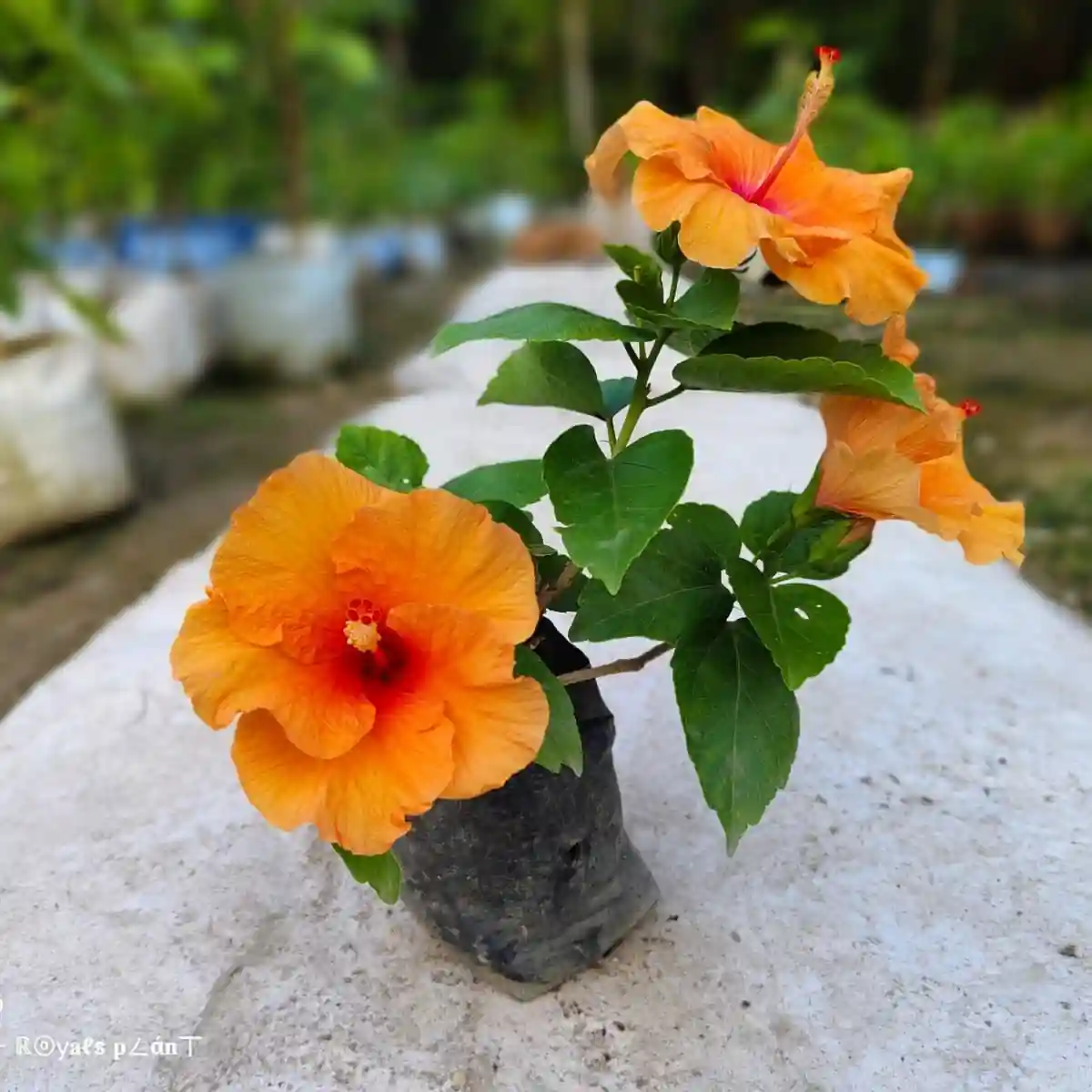
American Jaswanth
Flowering
View & Listen Plant Education
American Jaswanth - Video Guide
Watch Video
All Details
I am a hardy, fast-growing ornamental shrub or small tree native to the southeastern United States, recognized by my large, glossy evergreen leaves and stunning clusters of fragrant, trumpet-shaped white flowers that bloom throughout the summer. I am often planted as a privacy screen or landscape specimen due to my dense foliage and showy appearance.
I am a hardy, fast-growing ornamental shrub or small tree native to the southeastern United States, recognized by my large, glossy evergreen leaves and stunning clusters of fragrant, trumpet-shaped white flowers that bloom throughout the summer. I am often planted as a privacy screen or landscape specimen due to my dense foliage and showy appearance.
Native to the southeastern United States, particularly Florida, Georgia, and Alabama, where I grow in sandy woodlands and coastal areas. I have been cultivated as a landscape plant across warm regions of the Americas and have naturalized in parts of Central America and the Caribbean.
I prefer moderate, consistent watering while establishing. Once mature, I am fairly drought-tolerant and can survive short dry periods. Water deeply once a week during dry spells. Avoid overwatering, as I am prone to root rot in poorly drained soil.
I thrive in full sun to partial shade. For the best flowering and densest growth, provide at least 4–6 hours of direct sunlight daily. Too much shade reduces flowering and causes leggy growth.
I flourish in warm climates and am best suited to USDA zones 8–11. I prefer temperatures between 15–35°C. I can tolerate brief light frost but should be protected during prolonged cold spells below 5°C.
Plant me in well-draining, slightly acidic to neutral soil. Space shrubs 1.5–2.5 meters apart to allow for mature growth. Mulch around the base to retain moisture and protect roots. I can be pruned after flowering to maintain shape.
Feed me in spring with a balanced slow-release fertilizer or compost. A second light feeding in midsummer can encourage repeat blooming. Avoid heavy nitrogen fertilizers, which promote leafy growth over flowers.
Botanical name: Aloysia virgata or possibly Cestrum spp., depending on regional naming. Family: Verbenaceae (if Aloysia) or Solanaceae (if Cestrum). Sometimes called "American Jasmine" or "Sweet Almond Bush" in certain regions, though not a true jasmine.
Caution is advised—some species with similar common names contain toxic compounds. If I am Cestrum spp., I may be toxic to pets if ingested, causing gastrointestinal or neurological symptoms. Always verify exact species before planting in pet-accessible areas.
Moderate—I help improve air quality by absorbing carbon dioxide and releasing oxygen. My dense foliage can also trap dust and particulate matter when grown outdoors.
I provide ornamental value with fragrant flowers that attract pollinators like bees, butterflies, and hummingbirds. I am often used in hedges, as a privacy screen, or as a standalone specimen in gardens and parks.
Susceptible to aphids, whiteflies, and spider mites, especially in dry conditions. Fungal leaf spots may occur in humid climates with poor air circulation. Root rot can develop in waterlogged soils.
I can live 10–20 years or longer with proper care. I am a perennial shrub or small tree that grows steadily each year and can be propagated through cuttings to extend my presence in the garden.
Everyday 8:30AM to 6:30PM

Akola, Road, Badnera, Amravati, Maharashtra 444701